


Pérez Hernández1*, Irian Cecilia1
1Ph.D. in Organizational Psychology, Doctor in Business Psychology, Aracataca, Magdalena.
*Corresponding Author: Pérez Hernández, Ph.D. in Organizational Psychology, Aracataca, Magdalena.
Abstract
Psychological well-being constitutes an essential component in the integral development of individuals, as it is closely linked to both physical and mental health. Various factors may influence such well-being; however, in the workplace, stress emerges as one of the main issues that significantly affect employees. According to a study conducted by Gallup, 44% of employees in Colombia reported experiencing high levels of daily stress. In the healthcare sector, emotional exhaustion reaches up to 40%, while in other sectors, burnout affects as much as 70% of workers. Similarly, the World Health Organization [12] warns that mental health problems are closely related to work overload, highlighting the need to strengthen positive attitudes that promote well-being in work environments.
The present research aimed to analyze the influence of positive attitudes on psychological well-being within the Colombian work context, using Ryff’s Psychological Well-Being Scale. A quantitative approach was adopted, with a non-experimental, cross-sectional, and correlational design, including both descriptive and explanatory components. The study population consisted of 100 professionals and employees from various Colombian organizations with a Christian philosophy, where positive approaches to work situations are encouraged and both individual and collective well-being are promoted.
The results revealed a predominance of positive attitudes among participants. The overall mean score obtained (8.4) reflects a high evaluation of the assessed items, indicating a favorable perception regarding the dimensions of psychological well-being. From the perspective of Positive Psychology, these findings suggest high levels of self-acceptance, life purpose, and satisfactory interpersonal relationships.
Keywords: positive psychology; employees; psychological well-being; burnout
1. Introduction
Psychological well-being is understood as an individual’s ability to function optimally in various areas of life, integrating their subjective perception of satisfaction and emotional balance with social and personal functioning. This construct is closely related to lived experiences and to the positive or negative interpretations individuals assign to those experiences, directly influencing self-perception, self- esteem, and the quality of interpersonal relationships. In this regard, Narváez, Obando, and Hernández [26] argue that psychological well- being is developed throughout life as a function of personal experiences and is reflected both in the social environment and in the way individuals cope with adversity—transforming it into learning and personal strength.
In the workplace, psychological well-being has become a key factor in performance and productivity. Various studies have demonstrated that motivated, committed, and satisfied employees tend to show higher levels of efficiency and organizational retention. Along these lines, Hernández, Sandoval, and Ramírez [7] found, in a study on the influence of favorable environments in promoting sustainable practices, that after fostering the strengthening of positive attitudes over a six-month period, 77% of employees reported job satisfaction, 62.3% expressed full identification with the company’s mission and values, and 78.7% reported high organizational loyalty. These findings demonstrate that positive work environments—based on motivation and optimism—enhance commitment and business sustainability.
The promotion of positive attitudes, therefore, constitutes an essential element in the construction of healthy work environments. When individuals lack motivation or are influenced by negative emotions, their performance decreases, and the organizational climate deteriorates, affecting team cohesion and productivity. In contrast, optimism—understood as a psychological disposition oriented toward favorable expectations and future goals—is associated with perseverance and coping capacity when facing challenges.
1.1 Positive Psychology As An Applied Discipline In Diverse Contexts
According to Poseck (2020), in recent years, Positive Psychology has gained relevance as an applied discipline in various contexts— educational, clinical, organizational, and health-related—by focusing on the study of human potential, positive emotions, and optimal performance. From this perspective, promoting positive attitudes in the business sphere not only contributes to individual well-being but also enhances resilience, creativity, and the emotional cohesion of work teams. As Calderón and Sotomayor [2] argue, psychological well-being increases coping capacity, resilience, and creativity, fostering the development of adaptive strategies and a fuller, more satisfying life. Consequently, it is essential to implement organizational strategies based on Positive Psychology that strengthen employees’ attitudes and emotional competencies, enabling them to constructively face work demands and achieve comprehensive performance that promotes both personal well-being and corporate sustainability.
In recent years, Positive Psychology applied to the workplace has consolidated its role as an essential tool for strengthening well-being and organizational sustainability. Recent research shows that positive emotions, optimism, motivation, and emotional regulation significantly influence employee performance, satisfaction and commitment becoming key factors that organizations must incorporate into their policies and practices.
According to Luthans and Youssef-Morgan [9], positive psychological capital is composed of self-efficacy, hope, optimism, and resilience, functioning as a strategic resource that enhances performance and adaptation to organizational changes, thereby contributing to employee well-being. When positive emotions are strengthened, the desire to perform tasks with pleasure and commitment increases, resulting in more efficient and responsible workers. Similarly, Fredrickson et al. [22] emphasize that positive emotions not only broaden cognitive capacities but also strengthen interpersonal bonds, improving the work climate and fostering innovation and creativity among employees.
Furthermore, research by Deci and Ryan [4], based on the Self- Determination Theory, highlights that the satisfaction of the needs for autonomy, competence, and relatedness increases intrinsic motivation, which is essential for productivity and sustainability in organizations seeking to ensure not only efficiency but also human development to achieve their objectives and goals.
In the same line, Cameron [3] proposes that positive leadership and the promotion of organizational virtues—such as gratitude and a sense of purpose—have a significant impact on building more resilient and collaborative work environments, generating efficiency and a sense of belonging, thus fostering stronger and more cohesive organizations.
Another important factor within the principles of Positive Psychology is emotional regulation. According to Gross [6] and recent studies by Avey et al. [19], it acts as a mediator between positive emotions and performance, reducing tension and stress and thereby strengthening employees’ psychological health. Emotional regulation plays a fundamental role in human decision-making and behavior, and consequently, in employee productivity. Therefore, this contribution from Positive Psychology becomes a key determinant in organizational success.
Finally, recent studies [1, 30] confirm that organizations that make well-being and workplace happiness central pillars of their culture achieve higher levels of employee commitment and innovation, ensuring both short- and long-term sustainability.
Overall, recent empirical evidence shows that Positive Psychology not only improves the individual well-being of workers but also contributes to organizational efficiency, stability, and sustainability by strengthening the emotional, motivational, and social resources that underpin business success.
1.2. Positive Psychology As Positive Mental Health From An International Framework
According to Seligman and Csikszentmihalyi [32], Positive Psychology redefines mental health from a holistic perspective focused on human strengths and sustainable well-being. Its fundamental purpose is to promote that people not only avoid distress but also develop meaningful, resilient, and fulfilling lives, thereby contributing to collective well-being and global mental health goals. This approach emerged in the late twentieth century as a response to the traditional deficit-based view of psychology, historically centered on illness and dysfunction, and instead focuses on the systematic study of the factors that make life worth living—such as subjective well-being, personal strengths, and human flourishing.
In this regard, the World Health Organization [11] defines mental health not merely as the absence of disorders but as a state of well- being in which the individual realizes their own abilities, can cope with the normal stresses of life, works productively, and contributes to their community. This definition aligns with the principles of Positive Psychology, which conceives mental health as a dynamic process of developing psychological and emotional resources that enable optimal human functioning. From this perspective, Keyes [25] introduced the concept of positive mental health, emphasizing the importance of positive emotions, healthy relationships, and self- realization as core pillars of well-being.
Complementarily, Jahoda [8] emphasizes the importance of considering the interaction between physical, psychological, and social aspects of individuals, both in those with and without mental disorders. According to the author, self-awareness, personal development, and the quality of interpersonal relationships are essential components of well-being. Similarly, Roger [13] argues that well-being is a fundamental element for achieving optimal psychological functioning, while Sañanova and Gumba [31] point out that Positive Psychology enhances job satisfaction by helping individuals find meaning and reward in their work.
Seligman [16] identifies three fundamental pillars in the study of Positive Psychology: positive emotions, positive traits (virtues, personal strengths, and abilities), and positive institutions. Contemporary scholars have added a fourth element: positive interpersonal relationships. These pillars form the foundation of a vast body of research applied across various contexts—social, organizational, educational, clinical, and family—demonstrating their impact on promoting well-being and improving human performance. The application of Positive Psychology in work environments not only improves employees’ quality of life but also enhances organizational effectiveness and business sustainability. Hernández [23] affirms that positive personal variables—such as resilience, self- efficacy, and cognitive flexibility—foster healthy work environments and the generation of creative solutions to challenges. Similarly, Hernández and Aguilar [24] highlight that promoting positive attitudes is associated with workplace happiness, psychological health, and personal balance. These authors also show that employees in positive organizational settings exhibit higher levels of well-being, engagement, and productivity. In this context, Positive Psychology emerges as a strategic tool for organizational sustainability by strengthening optimism, motivation, and emotional regulation— factors that contribute to a harmonious, resilient, and continuously improving work climate.
1.3. Guidelines From Positive Psychology To Promote Business Sustainability
Business sustainability involves creating conditions that guarantee not only economic profitability but also social, environmental, and human development in the short and long term. From the perspective of Positive Psychology, sustainability extends beyond financial permanence to encompass an ethical and responsible commitment by organizations to their environment. This approach promotes comprehensive well-being within companies, strengthens social responsibility, and contributes to sustainable development.
Seligman [14] argues that sustainable organizations must foster resilience, optimism, a sense of purpose, and employee engagement, as these factors increase job satisfaction and belonging. Thus, companies that adopt Positive Psychology–based strategies tend to build more conscious, humane, and responsible organizational cultures. In this same vein, Cameron and Spreitzer [17] emphasize that positive leadership is an essential tool for sustainability, as it promotes cooperation, ethics, and creativity in decision-making. When organizations adopt philosophies centered on well-being and human growth, they successfully integrate economic goals with environmental respect and social equity, contributing to the achievement of the United Nations Sustainable Development Goals (SDGs).
Donaldson and Ko [21] complement this vision by asserting that organizations applying Positive Psychology principles tend to build healthy and meaningful work environments in which employees identify with the organizational mission and perceive their work as part of a greater purpose. This emotional connection strengthens organizational commitment and sustainability, creating a balance between economic success and social responsibility.
In alignment with the United Nations Sustainable Development Goals [33], companies should establish clear policies, define their contributions to social well-being, implement measurable action plans, and continuously assess their sustainability performance. In this process, the principles of Positive Psychology serve as a theoretical and practical foundation for promoting motivation, specialization, job satisfaction, and collective well-being within organizations.
1.4. The Importance Of Human Resources And Work Climate In Companies From The Perspective Of Positive Psychology
From the viewpoint of Positive Psychology, employee well-being is a key determinant of organizational sustainability and business success. The study of variables such as optimism, motivation, and emotional regulation has enabled a deeper understanding of how these elements influence productivity, creativity, and organizational stability.
Organizations that promote healthy and emotionally balanced work environments develop employees who are more committed, resilient, and capable of facing market challenges with a proactive attitude. Likewise, companies that integrate sustainability as a central axis of their corporate strategy manage to combine profitability with social and environmental responsibility, assuming an ethical commitment to society [24]. Consequently, the work climate becomes a crucial factor, as positive interactions among organizational members foster cooperation, belonging, and emotional stability.
The application of Positive Psychology principles allows for the development of socio-emotional competencies, strengthening leadership and enhancing both individual and collective well-being. As a result, companies that invest in the emotional development of their human talent not only improve their performance but also consolidate their sustainability and competitiveness in the long term.
Objective
To analyze the relationship between positive attitudes and psychological well-being in the Colombian work context, through the application of Ryff’s Psychological Well-Being Scale, in order to identify how attitudinal dispositions influence the personal and emotional development of employees.
2. Methodology
Type Of Research
This study was conducted using a quantitative approach, aimed at analyzing the relationships between variables through the collection and statistical processing of numerical data. This approach enabled the acquisition of objective, verifiable, and empirically supported results, with the purpose of understanding psychological well-being based on the theoretical foundations of Positive Psychology. The research is classified as non-experimental, since the independent variables were not intentionally manipulated; instead, the phenomena were observed in their natural context. Likewise, a cross-sectional design was adopted, as data were collected at a single point in time, between January and October 2025. The scope of the research was correlational, because it sought to determine the degree of relationship between positive attitudes and the psychological well- being of workers.
Additionally, the study incorporated descriptive and explanatory components aimed at characterizing levels of psychological well- being and analyzing the factors that contribute to its strengthening in the Colombian work environment. This methodology made it possible to identify patterns of behavior and perception that contribute to a comprehensive understanding of well-being and its relationship with the positive attitudes promoted by Positive Psychology.
Population And Sample
The target population consisted of professionals and employees from various Colombian companies guided by a Christian philosophy expressed in their organizational values and work practices. This characteristic enabled the exploration of how ethical and spiritual principles may influence the promotion of psychological well-being and positive attitudes within the business environment. The sample consisted of 100 participants intentionally selected according to the study’s objectives. Participation was voluntary, ensuring confidentiality and informed consent. The sample included a diversity of professional areas and hierarchical levels, allowing for a broader perspective on the phenomenon under investigation.
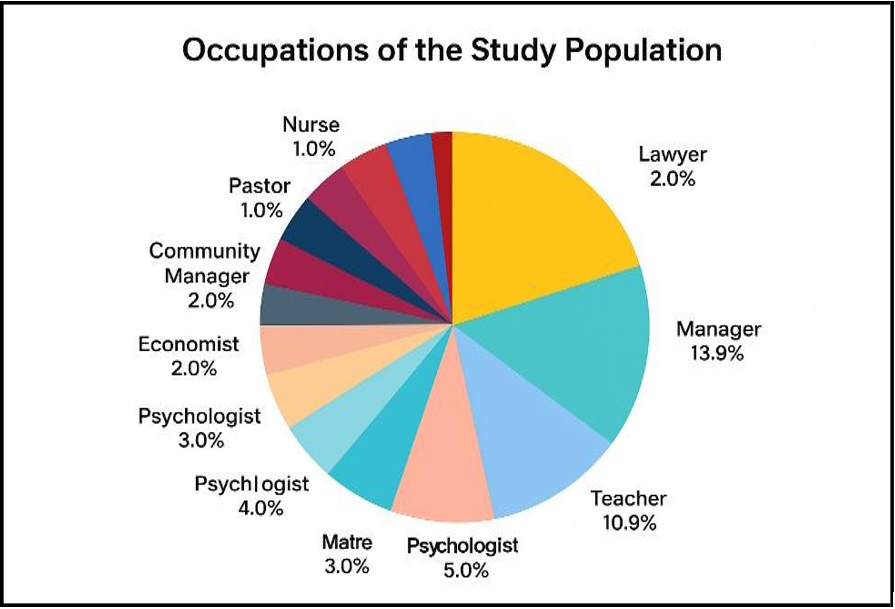
Figure 1: Occupations of the Study Population
3. Data Collection Instrument
For data collection, the Ryff Psychological Well-Being Scale [27], 22-item version, adapted for the adult population, was used. This instrument evaluates six dimensions of well-being: self-acceptance, positive relations with others, autonomy, environmental mastery, purpose in life, and personal growth. Within the framework of Positive Psychology, Ryff’s scale is considered not only a diagnostic tool but also a guiding resource for identifying personal strengths, areas for improvement, and opportunities for integral development in the workplace context. Its application made it possible to obtain valid and reliable indicators that facilitate the interpretation of psychological well-being levels in relation to workers’ positive attitudes. The data collected were processed through descriptive and correlational statistical analysis to establish significant relationships between the studied variables, contributing to an empirical and scientific understanding of the phenomenon under investigation.
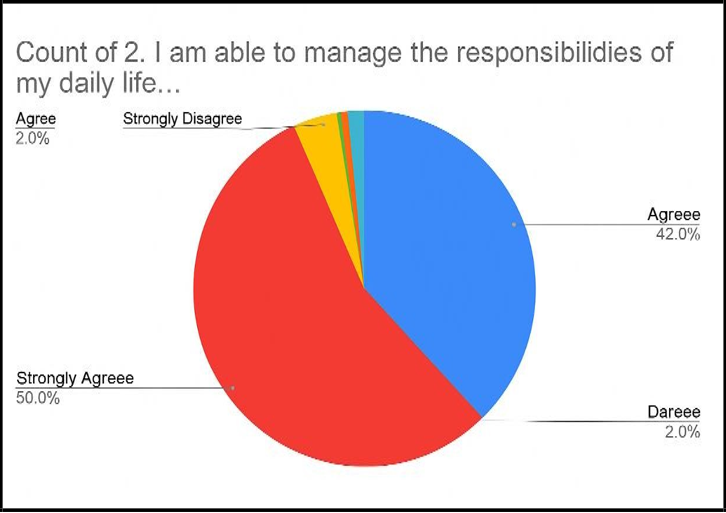
Figure 2: Questions from the Ryff Psychological Well-Being Scale
4. Results
Analysis And Interpretation Of The Results
The application of Ryff’s Psychological Well-Being Scale (22-item version) made it possible to assess six fundamental dimensions of human well-being: self-acceptance, positive relations with others, autonomy, environmental mastery, purpose in life, and personal growth. The sample consisted of 100 participants aged between 18 and 55, from various work contexts in Colombia, all sharing a Christian philosophy oriented toward the promotion of positive attitudes, resilience, and solidarity.
Overall, the results reveal a tendency toward high levels of psychological well-being, highlighting the favorable influence of positive attitudes on the personal, emotional, and professional development of workers.
Self-Acceptance
Eighty-four percent of participants agreed or strongly agreed with statements related to positive self-evaluation, acceptance of strengths and limitations, and satisfaction with their personal history. Ten percent remained neutral, and six percent disagreed. These results indicate that most participants possess a stable and positive self-image, which constitutes an essential pillar of psychological well-being (Ryff, 2018). From the perspective of Positive Psychology, this trend can be linked to the practice of gratitude, self-efficacy, and optimism—factors that strengthen resilience when facing occupational challenges [15].
Positive Relations With Others
Eighty percent of respondents reported satisfactory interpersonal relationships characterized by empathy, cooperation, and mutual support; 12% remained neutral, and 8% reported difficulties in establishing close or trustworthy bonds.
This dimension reflects the workers’ ability to build solid relationships and maintain stable social networks, resulting in greater well-being and cohesion within organizational environments. According to Fredrickson [5] and Lyubomirsky [10], positive emotions broaden cognitive and behavioral perspectives, fostering more productive, cooperative, and harmonious interactions that directly impact workplace climate and professional satisfaction.
Autonomy
In this dimension, 70% of participants agreed with items assessing personal independence and the ability to act in accordance with their own convictions and values. Twenty percent remained neutral, and 10% disagreed.
Although most participants perceive an adequate degree of autonomy, a portion of the sample experiences limitations in decision-making, possibly due to rigid organizational structures. [4] State that workplace autonomy is strengthened when organizations promote self-determination, trust, and active participation in conflict resolution and task planning, thus generating a sense of control and belonging among employees.
Environmental Mastery
Sixty-eight percent of participants reported feeling capable of effectively managing workplace demands, adapting to changes, and using available resources efficiently. Twenty-two percent remained neutral, and 10% reported difficulties in exercising control or influence over their environment.
These findings indicate that most workers possess high levels of personal competence, contributing to emotional balance and stability when facing pressure. Ryff [28] and Diener et al. [20] point out that environmental mastery is associated with self-efficacy and the ability to transform workplace challenges into opportunities for growth, consolidating a resilient and proactive attitude.
Purpose In Life
Seventy-six percent of participants expressed having a clear sense of purpose and defined goals, 17% were neutral, and 7% expressed uncertainty about their life direction.
These findings reveal a positive orientation toward the future, accompanied by high motivation and personal and professional commitment. Within Positive Psychology, life purpose is associated with transcendence and fulfillment, components that foster overall satisfaction and emotional stability [18].
Personal Growth
Seventy-nine percent of participants agreed or strongly agreed with items related to openness to new experiences, overcoming challenges, and continuous learning. Fifteen percent were neutral, and six percent disagreed.
This result demonstrates a marked inclination toward personal and professional development—an essential component of psychological well-being. According to Ryff and Singer [29], personal growth involves recognizing change as a natural part of life and maintaining a positive attitude toward lifelong learning. This disposition, together with optimism and self-confidence, strengthens productivity, creativity, and innovation in the workplace.
Global Analysis
Overall, 84% of participants were categorized as having high levels of psychological well-being, 10% moderate, and only 0.6% low. This reflects a profile of emotionally balanced workers with high adaptability, a strong sense of purpose, and positive interpersonal relationships.
Psychological well-being, understood as an optimal state of functioning that transcends momentary pleasure, is reinforced by positive attitudes such as gratitude, hope, and resilience, which allow individuals to cope effectively with occupational stress and strengthen their sense of purpose [15, 5].
Taken together, the findings confirm that positive attitudes are a significant predictor of psychological well-being. Workers who maintain an optimistic and constructive outlook show higher levels of self-acceptance, life purpose, and personal growth. Consequently, fostering such attitudes in organizational settings emerges as an essential strategy to promote mental health, job satisfaction, and productivity within companies.
5. Discussion
The results obtained in this study confirm the relevance of positive attitudes as a determining factor in the psychological well-being of Colombian workers. Most participants showed high levels in self- acceptance, life purpose, and personal growth, suggesting that individuals with a positive self-perception and clear goals tend to experience greater emotional balance and job satisfaction.
These findings are consistent with Seligman [15] and Fredrickson [5], who argue that positive emotions not only broaden cognitive perspectives but also strengthen psychological and social resources, fostering more resilient and productive individuals. In this sense, psychological well-being is not limited to the absence of distress but implies optimal functioning and an active disposition toward growth and self-realization [28].
Likewise, the dimension of positive relations with others played a fundamental role in the configuration of well-being. Empirical evidence supports that interpersonal bonds based on empathy and cooperation strengthen group cohesion and organizational belonging, enhancing workplace climate and collective mental health [10].
On the other hand, the dimensions of autonomy and environmental mastery showed more moderate levels, suggesting areas for improvement within business dynamics. This finding aligns with Ryan and Deci [4], who emphasize the importance of workplace environments that promote self-determination, active participation, and trust as essential elements for intrinsic motivation and work engagement.
Finally, the context of the participating companies—characterized by a Christian philosophy promoting values such as solidarity, service, and faith—appears to positively influence the development of resilient and hopeful attitudes. From the Positive Psychology perspective, these spiritual values may serve as emotional support that strengthens individual and collective well-being by providing meaning and purpose in professional life [2].
6. Conclusions
High Overall Level Of Psychological Well-Being
The results show that most participants (71%) exhibit high levels of psychological well-being, characterized by positive self-image, clear goals, and openness to personal growth. This aligns with recent research in Positive Psychology emphasizing the role of optimistic emotions in healthy psychological functioning [15].
1. Direct influence of positive attitudes.
A significant relationship is confirmed between positive attitudes— gratitude, optimism, hope, and cooperation—and psychological well- being. Individuals who adopt these dispositions tend to experience greater life satisfaction and cope more adaptively with workplace stress, thereby strengthening their mental health and professional performance.
2. Importance of interpersonal relationships.
Positive relationships in the workplace constitute a key pillar of well- being. Fostering healthy interactions encourages empathy, cohesion, and a sense of belonging, contributing to a more harmonious and human organizational environment.
3. Areas for improvement: autonomy and environmental mastery.
Although overall results are favorable, the dimensions of autonomy and environmental mastery showed moderate levels. This highlights the need to promote space for participation, decision-making, and shared leadership to enhance self-management and employee empowerment.
4. Implications for organizational management.
The findings emphasize the importance of implementing organizational programs based on Positive Psychology—such as workshops on emotional well-being, positive leadership, and personal strengths development. These strategies can contribute to improved mental health, intrinsic motivation, and productivity, thereby supporting both human and business sustainability.
General Conclusion
In conclusion, the study demonstrates that the continuous strengthening of positive attitudes significantly influences psychological well-being and job performance. Workers who maintain an optimistic and resilient outlook tend to feel more satisfied with themselves, build stronger interpersonal relationships, and cope more effectively with everyday challenges.
Furthermore, living under a Christian philosophy centered on values such as faith, hope, and solidarity appears to contribute to the strengthening of positive attitudes and resilience, resulting in a more balanced, ethical, and humane work performance.
Thus, psychological well-being and positive attitudes are interdependent variables that serve as pillars of mental health and quality of work life. In the Colombian context—characterized by multiple socioeconomic and organizational challenges—promoting a workplace culture oriented toward well-being and positivity emerges as an effective strategy to foster integral worker development and the construction of more humane, resilient, and sustainable work environments.
References
- Achor S (2021) The happiness advantage: How success follows happiness. HarperCollins.
- Calderón M, Sotomayor L (2025) Psychological well-being and work resilience in organizational contexts. National University of Colombia.
- Cameron KS (2021) Positive leadership: Strategies for extraordinary performance. Berrett-Koehler Publishers.
- Deci EL, Ryan RM (2020) Self-determination theory: Basic psychological needs in motivation, development, and wellness. Guilford Press.
- Fredrickson BL (2020) Positivity: Groundbreaking research to release your inner optimist and thrive. Random House.
- Gross JJ (2022) Handbook of emotion regulation (3rd ed.). Guilford Press.
- Hernández P, Sandoval C, Ramírez D (2025) Organizational commitment and business sustainability in the Latin American context. University of Antioquia.
- Jahoda M (2020) Current concepts of positive mental health. Basic Books.
- Luthans F, Youssef-Morgan CM (2020) Psychological capital and beyond. Oxford University Press.
- Lyubomirsky S (2022) The how of happiness: A scientific approach to getting the life you want. Penguin Books.
- Sayers J (2001) World health report 2001: Mental health—New understanding, new hope. WHO.
- World Health Organization (2022) World mental health report: Transforming mental health for all. WHO.
- Rogers C (2023) The power of the person: Client-centered psychotherapy and personal growth. Paidós.
- Seligman MEP (2020) The hope circuit: A psychologist’s journey from helplessness to optimism. PublicAffairs.
- Seligman MEP (2021) Flourish: Positive psychology and human well-being. Alianza Editorial.
- Seligman MEP (2023) PERMA: The scientific foundations of well-being and lasting happiness. Penguin Random House.
- Cameron KS, Spreitzer GM (2021) The Oxford handbook of positive organizational scholarship. Oxford University Press.
- Steger MF (2020) Meaning in life and well-being. In Handbook of positive psychology (3rd ed.). Oxford University Press.
- Avey JB, Luthans F, Youssef-Morgan CM (2023) Positive psychological capital: Measurement and relationship with performance and satisfaction. Journal of Organizational Behavior. 44(2): 145–162.
- Diener E, Oishi S, Tay L (2020) Advances in subjective well- being research. Nature Human Behaviour. 4(1): 25–35.
- Donaldson SI, Ko I (2022) Positive organizational psychology, behavior, and scholarship: A review of the emerging literature and evidence base. Journal of Positive Psychology. 17(3): 295–310.
- Fredrickson BL, Tugade MM, Waugh CE, Larkin GR (2021) Positive emotions broaden and build: The role of positivity in human flourishing. American Psychologist. 76(4): 579–593.
- Hernández J (2021) Positive personal variables and workplace well-being in healthy environments. Colombian Journal of Positive Psychology. 9(2): 112–130.
- Hernández J, Aguilar L (2022) Well-being practices and strategies in Spanish organizations: Findings and contributions from positive psychology. European Journal of Applied Psychology. 12(1): 85–98.
- Keyes CLM (2007) Promoting and protecting mental health as flourishing: A complementary strategy for improving national mental health. American Psychologist. 62(2): 95–108.
- Narváez L, Obando M, Hernández S (2021) Development of psychological well-being across the lifespan. Latin American Journal of Positive Psychology. 15(3): 201–218.
- Ryff CD (1989) Happiness is everything, or is it? Explorations on the meaning of psychological well-being. Journal of Personality and Social Psychology. 57(6): 1069–1081.
- Ryff CD (2021) Psychological well-being revisited: Advances in the science and practice of eudaimonia. Psychotherapy and Psychosomatics. 90(5): 302–319.
- Ryff CD, Singer B (2021) The contours of positive human health. Psychological Inquiry. 32(4): 295–311.
- Salas-Vallina A, Alegre J (2023) Fostering happiness at work through organizational practices. Journal of Business Research. 154: 113–124.
- Sañanova M, Gumba R (2021) Positive psychology and job satisfaction: New approaches and challenges. Spanish Journal of Organizational Psychology. 27(2): 142–158.
- Seligman MEP, Csikszentmihalyi M (2000) Positive psychology: An introduction. American Psychologist. 55(1): 5–14.
- United Nations (2023) Sustainable Development Goals (SDGs): 2030 Agenda for Sustainable Development. Official UN website.